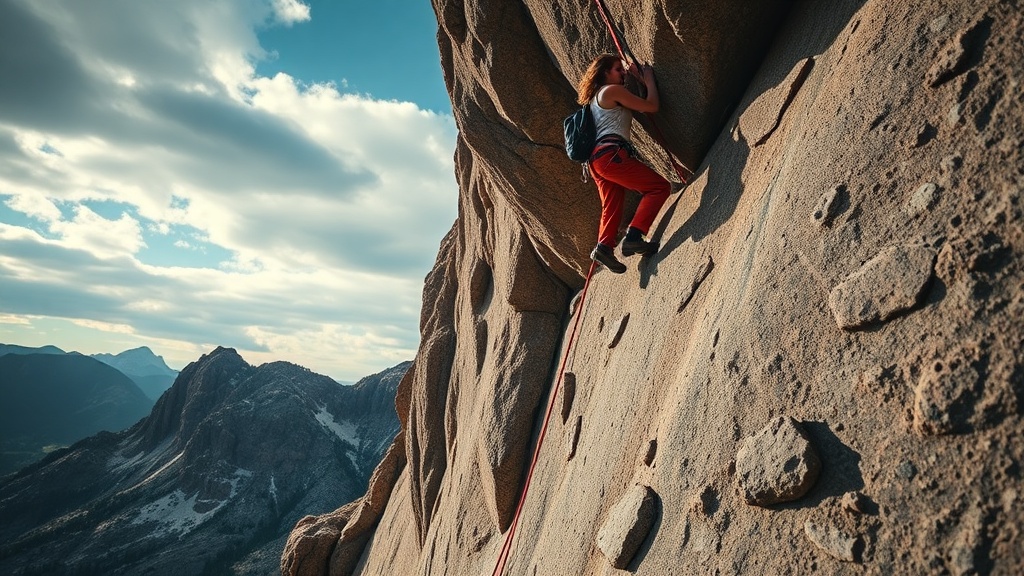
Top 10 Essential Rock Climbing Techniques Every Climber Should Master

Rock climbing demands precision, strength, and strategy. Mastering key techniques ensures safety and performance, whether you're bouldering or tackling big walls. This listicle outlines ten essential techniques for climbers at any level.
1. Crimping
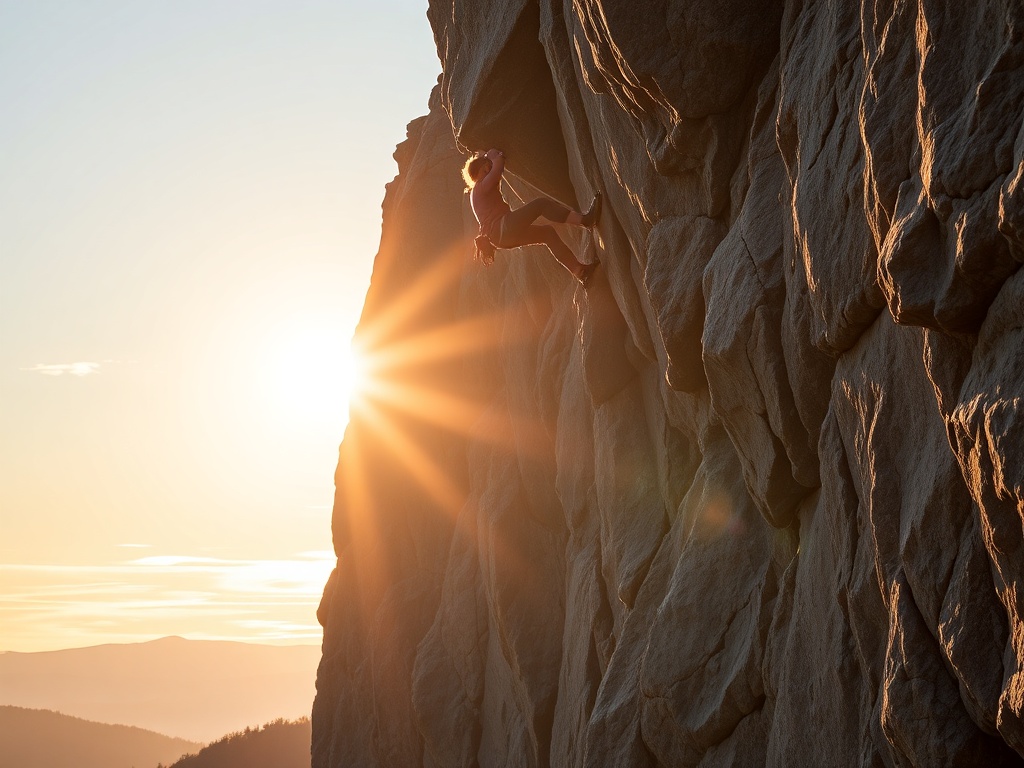
Crimping involves gripping small holds with bent fingers. It's crucial for finger strength and balance on tiny edges. Proper crimping prevents injury—keep your thumb wrapped over the index finger for stability.
2. Jamming
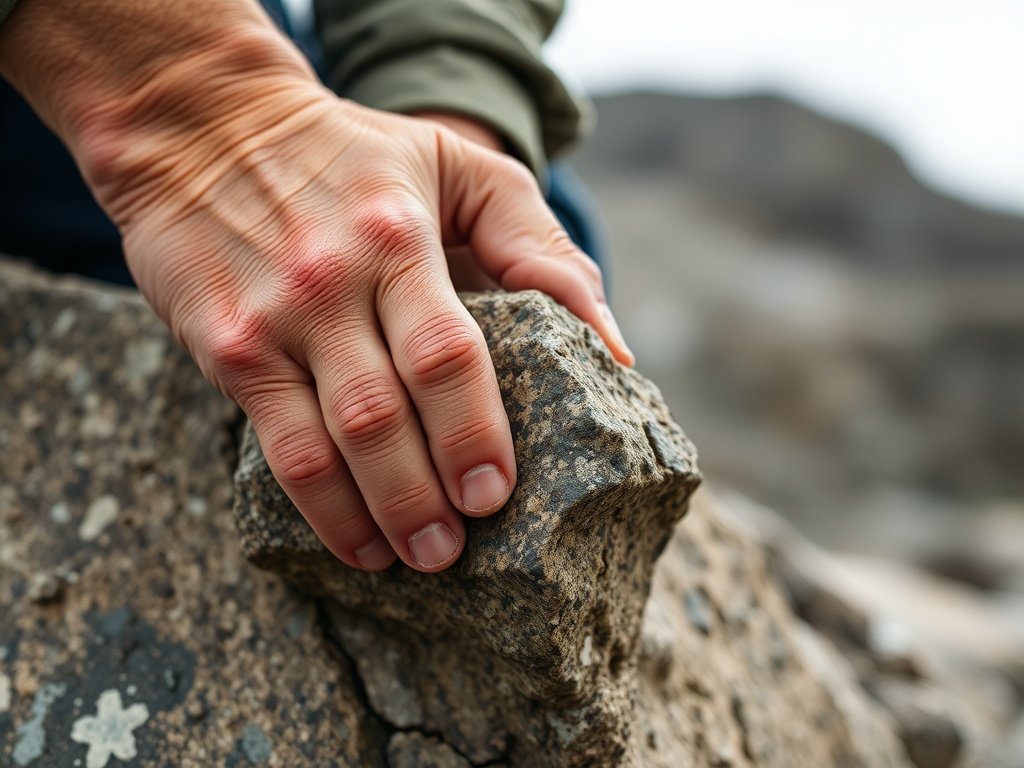
Used in crack climbing, jamming means inserting hands, fists, or feet into cracks to create friction. Practicing hand and foot jams increases control in crack routes and avoids over-reliance on upper body strength.
3. Flagging
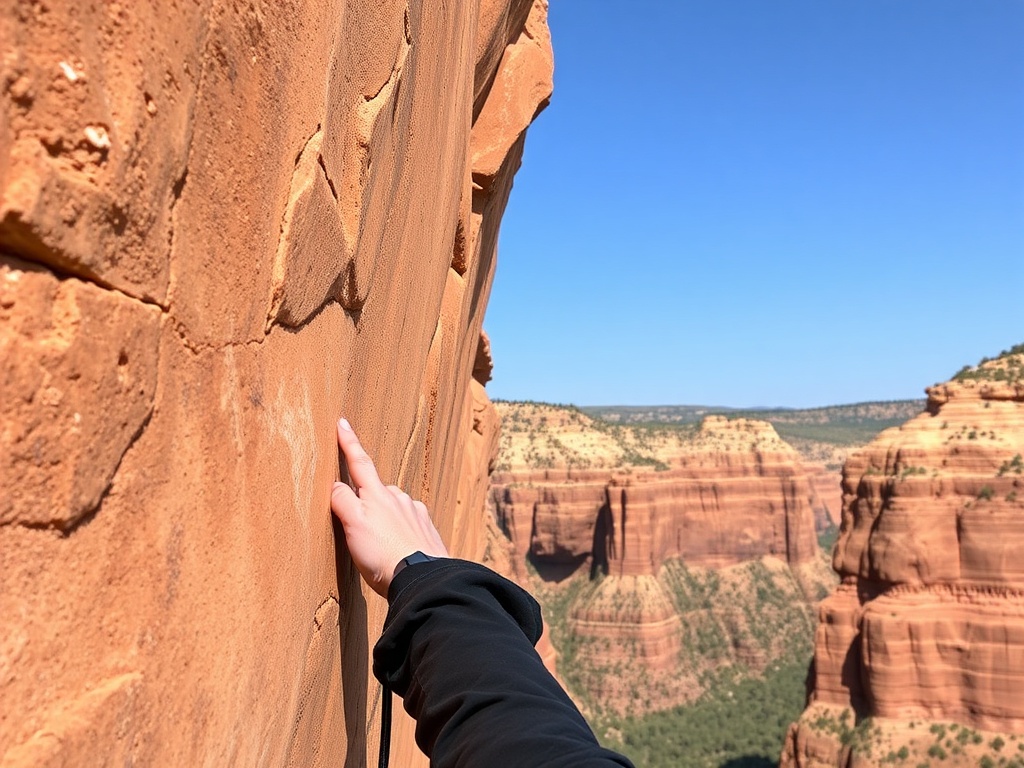
Flagging helps maintain balance when a foothold is absent. Extend one leg away from the wall to counterbalance your body. It's subtle but enhances efficiency and reduces energy expenditure on long routes.

4. Mantling
Mantling involves pushing down on a hold to lift your body up, similar to getting out of a swimming pool. It's especially useful for top-outs and overhangs where upward pulling alone is insufficient.
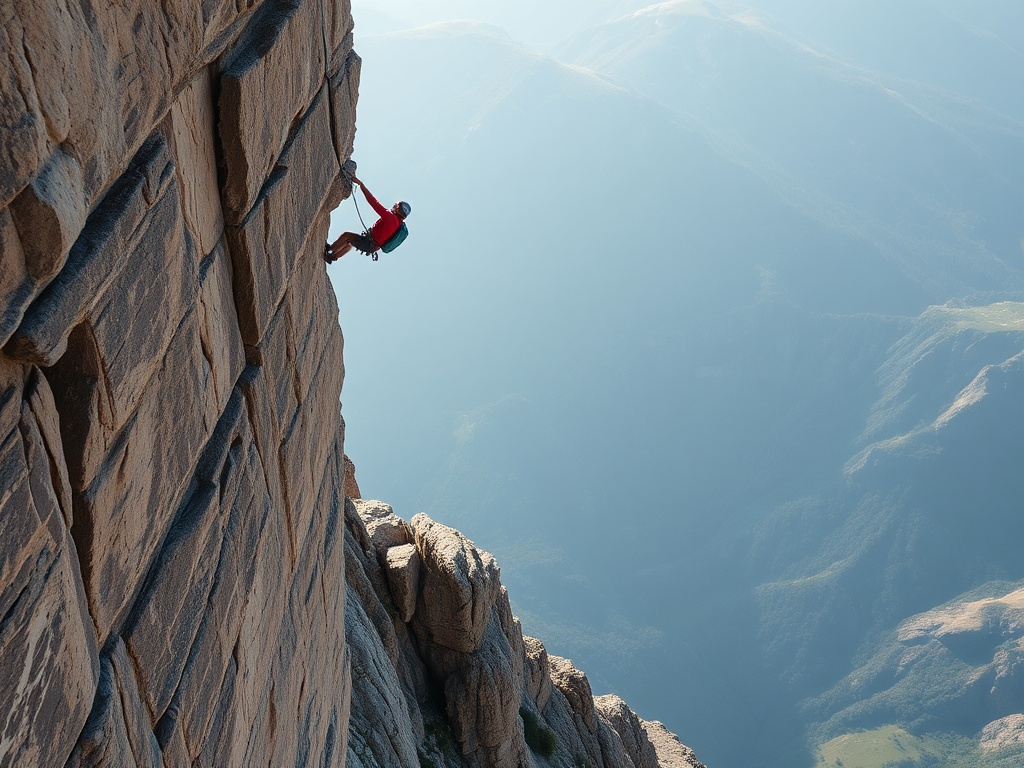
5. Heel Hooking
Using your heel on a hold to pull or stabilize allows rest and leverage. Effective for overhangs and traverses, it reduces strain on forearms and can be combined with toe hooks for complex moves.
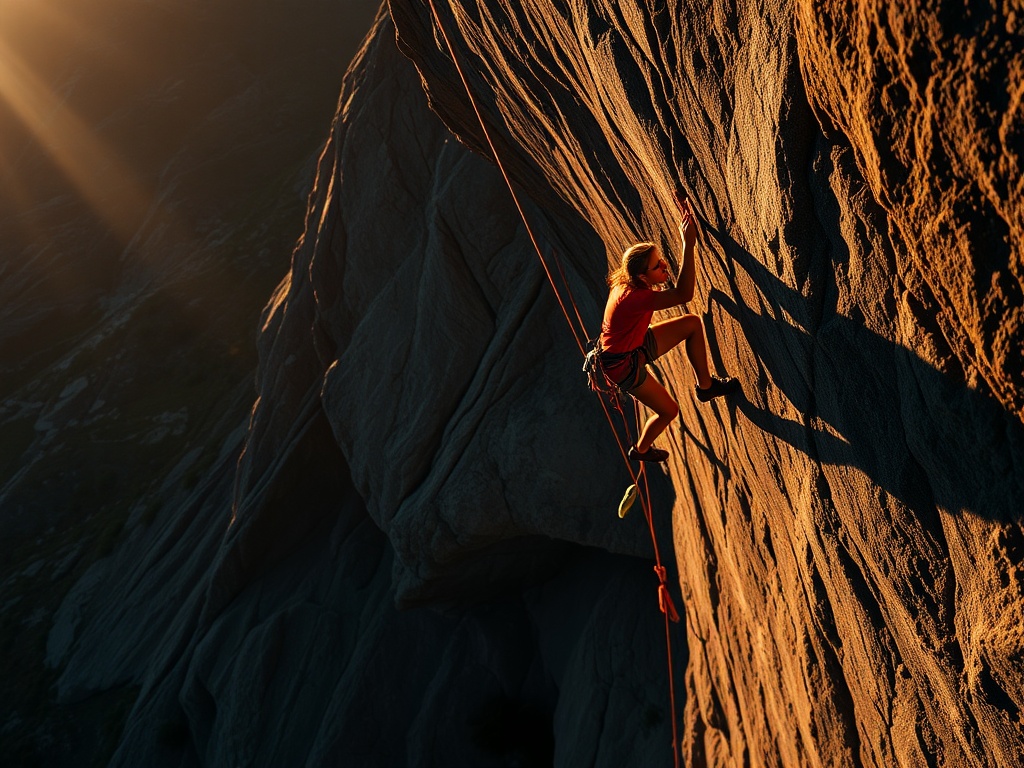
6. Toe Hooking
Toe hooking uses the top of the foot to hook holds or edges, often in roof or horizontal climbs. It aids in body positioning, letting you conserve energy while maintaining reach for the next hold.
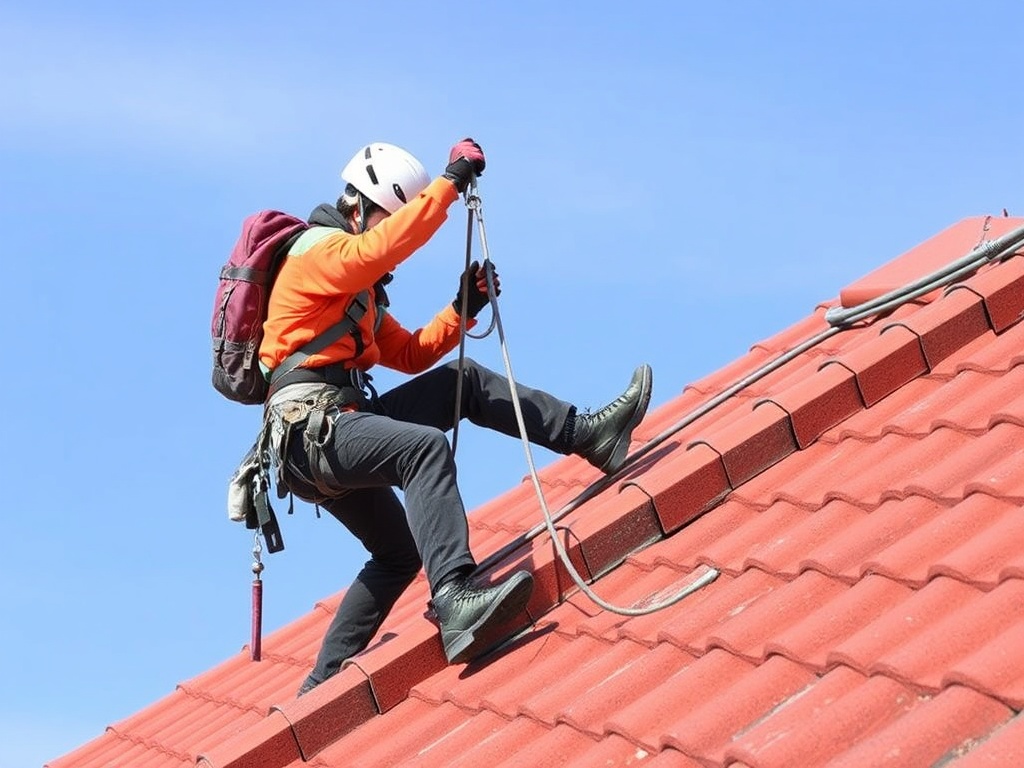
7. Smearing
Smearing uses friction between your shoe and rock when no foothold exists. Press your shoe flat and shift weight gradually to maximize grip. Critical for slabs and low-angle rock faces.
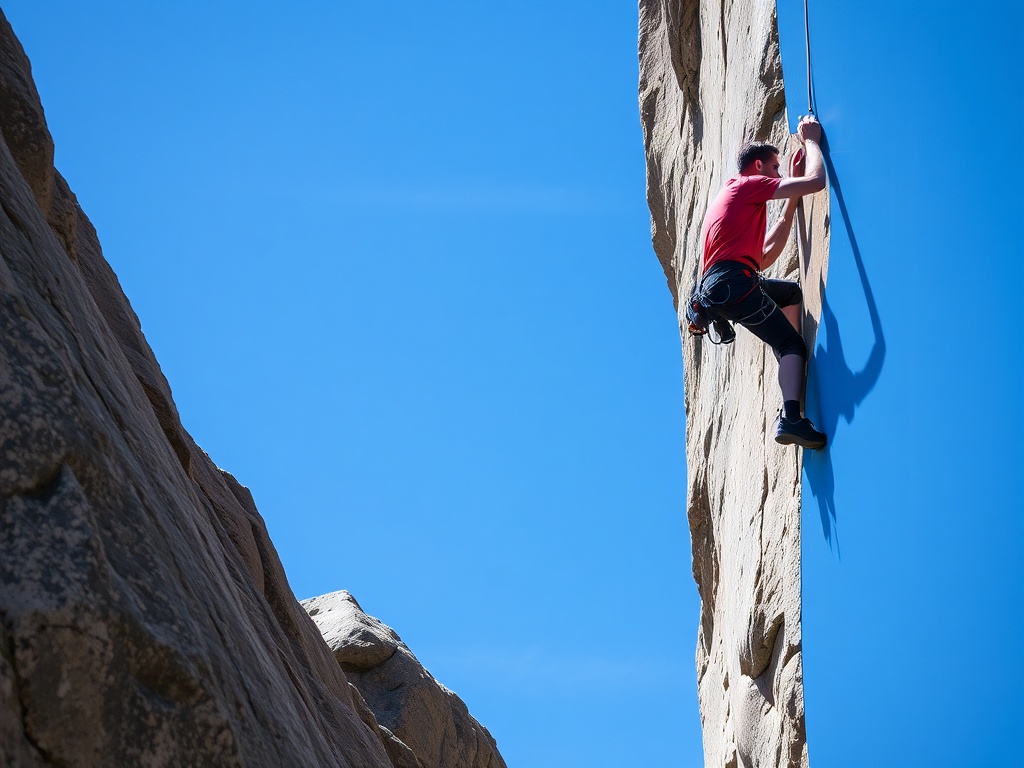
8. Dyno (Dynamic Move)
The dyno involves jumping to a distant hold. It requires explosive power and precise timing. Start small, practicing with feet placement and coordination, and build confidence before attempting advanced routes.
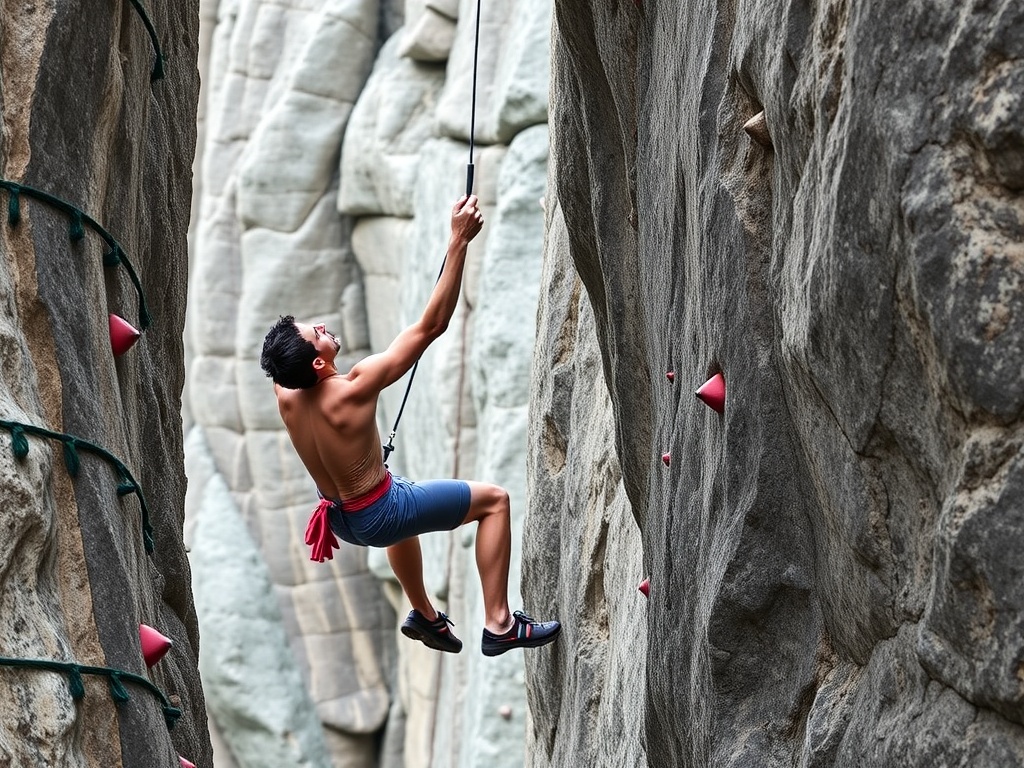
9. Lock-Off
A lock-off holds your body in place while one arm supports your weight. Essential for reaching distant holds, it requires arm and core strength. Controlled lock-offs improve efficiency and reduce slips.
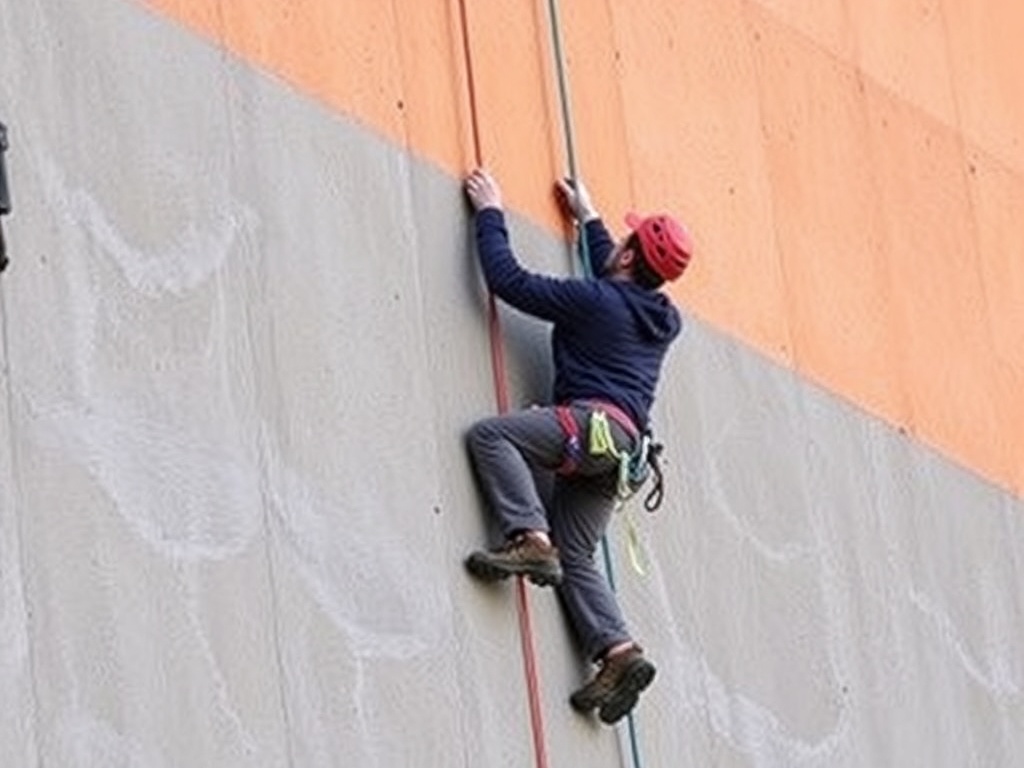
10. Route Reading
Understanding the path before climbing prevents wasted energy and mistakes. Analyze holds, sequences, and rests. Experienced climbers visualize moves and anticipate challenges, turning strategy into a key performance factor.
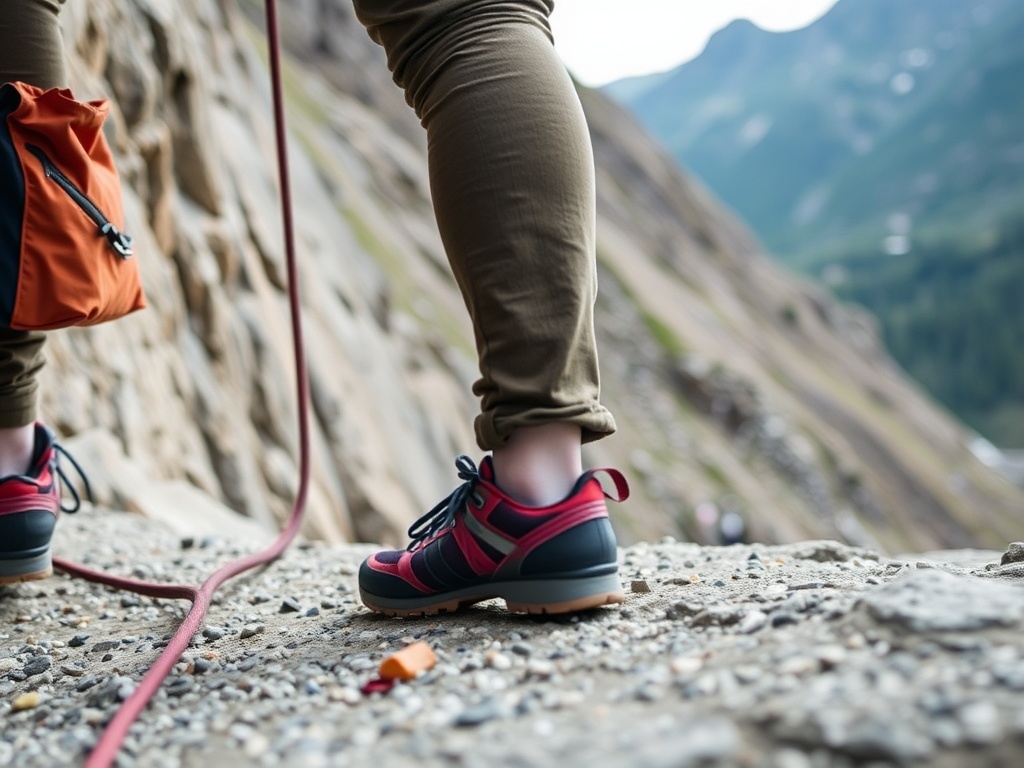
Mastering these techniques transforms climbing into a safer, more efficient, and enjoyable sport. Incorporate practice into training sessions, and observe how your body responds to different rock faces and conditions.