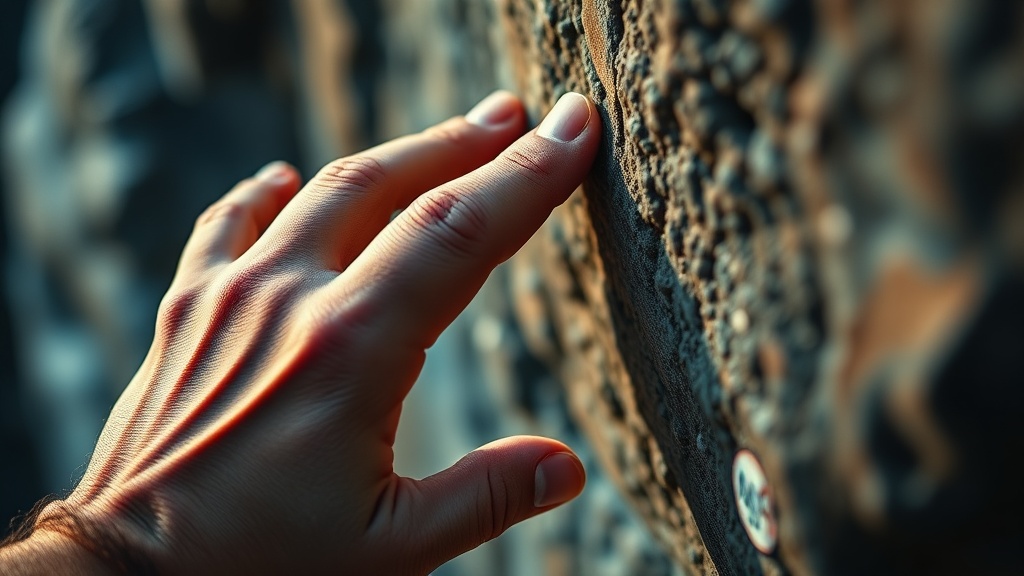
Finger Strength Training: The Complete Guide to Crushing Harder Routes

Finger strength separates good climbers from great ones. This guide covers everything needed to build stronger digits—assessment methods, targeted exercises, hangboard protocols, injury prevention, and real-world training schedules. Whether stuck at the V5 plateau or projecting 5.12s, stronger fingers translate directly to holding smaller edges, longer. No fluff. Just actionable techniques that work.
Why Does Finger Strength Matter for Rock Climbing?
Fingers do the work. Arms pull, legs push, but fingers connect the body to the rock. Weak fingers mean pumped forearms, slipped holds, and failed sends. Strong fingers mean resting on tiny edges, confident crimping, and unlocking routes that once felt impossible.
Here's the thing—finger strength isn't just about muscle. Tendons and pulleys in the fingers take months (sometimes years) to adapt. That's why systematic training beats random campus board sessions. The goal isn't getting sore. It's creating gradual, sustainable load that forces adaptation without blowing pulleys.
Most climbers overestimate finger strength. They climb hard for a session, feel wrecked, and call it training. Real finger training happens with intentional protocols—measured loads, specific edge sizes, controlled rest periods. Think of it as strength training for the smallest, most injury-prone muscles in the body.
"The fingers are the weakest link in the climbing chain. Everything else can be perfect—technique, footwork, core—but if the fingers fail, the climber fails." — Steve Bechtel, TrainingBeta
What Are the Best Exercises for Building Finger Strength?
Hangboarding, finger rolls, and specific bouldering drills top the list. Each targets different aspects of finger strength—maximal force, contact strength, or endurance.
Hangboard Training
The gold standard. Hangboards (also called fingerboards) offer standardized edge depths—usually 20mm, 15mm, 10mm, and smaller. This consistency matters. You can't measure progress on random rock holds.
Popular hangboards include the Beastmaker 1000 (wood, skin-friendly), the Metolius Simulator (budget-friendly, resin), and the So iLL Iron Palm (aggressive slopes, hard plastic). Each has merits. Wood feels best for high-volume training. Resin offers more texture variety.
Basic hangboard protocol:
- Warm up thoroughly—10-15 minutes of easy climbing or cardio
- Select an edge size where failure happens at 8-12 seconds
- Hang for 7-10 seconds, rest 2-3 minutes
- Complete 3-5 reps per grip type
- Train 2-3 grip positions per session (half-crimp, open hand, full crimp)
Campus Board Work
Campus training builds contact strength—the ability to grab and control a hold dynamically. It's advanced. Most coaches recommend at least two years of climbing before touching a campus board.
The standard setup uses rungs spaced at 22cm intervals. Training involves matching, 1-5-9s, and doubles. The key? Controlled movement. Sloppy campusing destroys shoulders and fingers.
Limit Bouldering
Sometimes the rock teaches best. Limit bouldering means trying moves at personal limit—usually 3-5 attempts max, then moving on. It's sport-specific, engaging fingers exactly as they'll be used outside.
That said, limit bouldering lacks the measurability of hangboards. Use both. Hangboards for structured progression. Limit bouldering for applying that strength.
How Often Should You Train Finger Strength?
Two dedicated finger sessions per week maximum—preferably on climbing days, after regular climbing or on separate rest days with 48 hours between sessions.
Tendons heal slowly. Finger pulleys (the fibrous sheaths holding tendons against bones) receive limited blood flow. Overtraining doesn't build strength. It builds chronic pain and injury.
Here's a sample weekly structure for intermediate climbers (V4-V6 / 5.10-5.11 range):
| Day | Focus | Finger Work |
|---|---|---|
| Monday | Technique / Volume | None—let fingers recover from weekend |
| Tuesday | Strength / Limit Bouldering | Hangboard (max hangs) post-climbing, 30 min |
| Wednesday | Rest or Active Recovery | None |
| Thursday | Power / Dynamic Movement | Light finger rolls or no hang device, 15 min |
| Friday | Rest | None |
| Saturday | Outdoor Climbing or Projecting | None—climbing is the training |
| Sunday | Outdoor Climbing or Active Recovery | None |
The catch? Beginners (sub-V3 / sub-5.10) shouldn't isolate finger training yet. Just climb. Fingers adapt naturally through volume. Adding structured finger work too early risks injury without meaningful benefit.
Signs You're Overdoing It
Pain in the A2 or A4 pulley areas (middle of finger, near fingertip) means stop. Sharp pain, swelling, or tenderness to touch—all red flags. Dull muscle soreness is normal. Joint or tendon pain is not.
Worth noting: morning stiffness in fingers that lasts 30+ minutes indicates insufficient recovery. Back off. Deload weeks (50% volume every 4-6 weeks) prevent chronic issues.
What Equipment Do You Actually Need?
Less than you think. A hangboard and a no-hang device cover 90% of training needs. Everything else is optional.
The Basics:
- Hangboard: Mounted properly (slightly above head height, slight overhang). The Beastmaker 2000 remains the professional standard for advanced climbers. The 1000 works for most.
- No-Hang Device: The Tension Block or Lattice Training Micros let you load fingers without shoulder involvement. Great for rehab or pure finger isolation.
- Weight Vest or Belt: For adding load to hangs. Start with bodyweight. Add 2.5-5 lbs when hangs feel easy.
- Timer: Precision matters. The Beastmaker app or Metolius training app offers structured protocols.
Expensive toys—the Pinch Block, Peg Board, Grip Strengtheners—have uses, but they're supplementary. Master the hangboard first. Most climbers buy gear to avoid doing hard work. Don't be that climber.
How Do You Prevent Finger Injuries During Training?
Warm up properly, progress gradually, and listen to pain signals. Finger injuries end seasons. Prevention trumps everything.
Proper warm-up protocol:
- 5-10 minutes general cardio—jumping jacks, jogging, anything to raise core temp
- 10-15 minutes easy climbing on big holds, vertical terrain
- Progressive loading—start hangs on 35mm edges, work down to target depth
- Never jump straight to small edges cold
Progressive overload applies to fingers too—but slower. Add weight or reduce edge size by 5-10% per week maximum. The fingers adapt, but on their timeline. Not yours.
The full crimp (thumb over index finger, hyperextended DIP joint) generates maximum force but also maximum injury risk. Use it sparingly—only when the move demands it. Train the half-crimp and open-hand positions primarily. They're safer and transferable to most climbing.
Rehab Resources
If injury strikes, Dr. Volker Schöffl's research on pulley injuries and the Climbing Injuries Solved protocol offer evidence-based recovery paths. Most A2 pulley strains heal in 6-12 weeks with proper management. Partial tears may need longer. Surgery is rare but necessary for complete ruptures.
Sample Beginner Hangboard Protocol (6-Week Cycle)
Consistency beats intensity. This protocol assumes a V4-V6 climber with six months of regular climbing experience.
Weeks 1-2: Adaptation
- 20mm edge, half-crimp grip
- 7-second hangs, 3-minute rest
- 4 sets, twice weekly
Weeks 3-4: Loading
- 18mm edge, half-crimp and open hand
- 8-second hangs, 2.5-minute rest
- 5 sets per grip, twice weekly
Weeks 5-6: Intensification
- 15mm edge, half-crimp, open hand, full crimp
- 10-second hangs, 2-minute rest
- 4 sets per grip, twice weekly
Deload week 7—50% volume or complete rest. Then reassess. Can you hang 15mm for 10 seconds with bodyweight? That's a solid benchmark for V6-V8 climbing. Still can't? Run another cycle. Add small amounts of weight (2.5-5 lbs) when bodyweight hangs feel easy.
Putting It All Together
Finger strength develops slowly. Measure progress in months, not sessions. Track hangs in a notebook—edge size, added weight, how it felt. Data reveals patterns. Memory lies.
Training fingers while maintaining climbing skill requires balance. Too much finger work leaves you too tired to climb well. Too little and progress stalls. Most climbers find 90 minutes of dedicated finger training weekly (split across two sessions) sufficient.
Here's the thing—the strongest fingers in the world won't send routes without technique, movement, and mental game. But weak fingers cap potential. You can't crimp what you can't hold. Build the foundation. Then build everything else on top of it.
Start simple. Pick one protocol. Commit for twelve weeks. The results show up on the wall—smaller holds feel possible, longer sequences stay within reach, projects start going down. That's the point. Stronger fingers mean more climbing. And more climbing means better climbing.