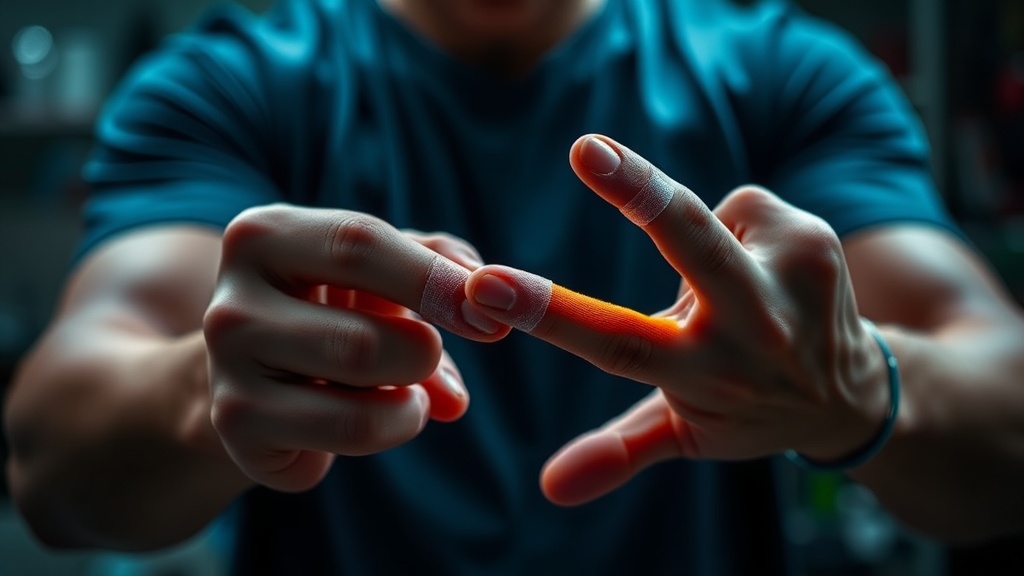
Finger Pulley Taping: A Simple Technique That Prevents Months of Downtime

Quick Tip
Apply a base layer of thin tape around the base of your finger, then create an X-pattern across the front of the finger joint for maximum A2 pulley support without restricting circulation.
Finger pulley injuries sideline more climbers than almost any other ailment. This post breaks down a simple taping technique that supports the A2 and A4 pulleys—keeping you on the wall instead of in physical therapy. You'll learn exactly when to tape, which materials actually work, and how to apply support without restricting blood flow. No fluff. Just a method that's kept climbers sending while their tendons heal.
How do you tape a finger pulley injury?
Start by cutting a strip of tape about 8 inches long—(Leukotape P or standard athletic tape both work). Wrap the base of the finger snugly above the knuckle, then create an X-pattern over the front of the finger joint where the pulley sits. The key? Firm support without turning your finger purple. You should still be able to bend the finger—just with noticeable resistance.
Some climbers add a second loop around the middle phalanx for extra stability on tweaky crimps. Test the fit: open and close your hand ten times. If the tape bunches or cuts circulation, start over. Here's the thing—taping too tight causes more damage than no tape at all.
Does taping actually help prevent pulley injuries?
Yes—though it's not magic. Studies from climbing medicine researchers show that circumferential taping reduces load on the A2 pulley by roughly 12-15% during crimping. That's enough to turn a grade-forcing session into a sustainable training day. The real value? Proprioceptive feedback. Tape reminds you not to full-crimp everything in sight when you're tired. (Fatigue kills tendons—not just the moves.)
For chronic soreness, taping allows continued climbing while the collagen remodels. The Hospital for Special Surgery recommends taping as a first-line intervention for grade I and II pulley sprains—injuries that otherwise derail training cycles for months.
What tape works best for finger pulley support?
Leukotape P remains the gold standard for multi-pitch days. It adheres through grease, chalk, and unexpected rain at the crag. The downside? It'll rip your skin off if removed carelessly—(use baby oil). For gym sessions, standard Metolius climbing tape offers a gentler alternative. It breathes better but requires reapplication every hour or so on sweaty plastic.
| Tape Type | Best For | Durability | Skin Friendly |
|---|---|---|---|
| Leukotape P | Multi-pitch, cracks | 8+ hours | No |
| Metolius Climbing Tape | Gym sessions | 1-2 hours | Yes |
| Monkey Tape (elastic) | Recovery, light support | 2-3 hours | Yes |
When should you tape your fingers for climbing?
The moment a finger feels tweaky—not after it swells up. Early intervention prevents the vicious cycle of partial tear, compensation, and full rupture. Many climbers at Miguel's in Kentucky tape proactively on sloper-intensive sandstone. The catch? Don't become dependent.
Tape for protection during healing, then wean off to rebuild natural tendon strength. Chronic taping weakens the pulley system over time—your body stops providing the structural support you're outsourcing. Worth noting: full tears (grade III) need professional diagnosis from a hand specialist. Taping won't fix a ruptured A2, and climbing through that injury guarantees surgery.
Finger pulley taping isn't complicated. Cut the tape. Cross the joint. Climb smart. Your tendons will thank you—quietly, over months of consistent sessions.